How to Open a Restaurant in Germany: A Step-by-Step Guide
Key Takeaways
More than 2,900 hospitality businesses in Germany filed for insolvency in 2025, the highest number since 2011.
Validating your concept, handling permits early, and budgeting realistically are the steps that save new owners the most pain.
Setting up ordering and delivery before you open means every order builds your own customer base instead of a delivery platform's.
Opening your own restaurant is one of the biggest moves you'll ever make. It's also one of the riskiest.
More than 2,900 hospitality businesses in Germany filed for insolvency in 2025 alone, the highest number since 2011, according to Creditreform. Almost 69,000 restaurants, cafes, and bars shut their doors between 2020 and 2025.
That's not a reason to give up on the idea. It's a reason to open with a plan instead of guesswork.
This guide walks through the real steps: validating your concept, handling permits, working out your costs, building your team, and setting up ordering so you're not losing money to delivery platforms before you've even opened.
Validate your concept and location before you sign anything
Every failed restaurant started with someone who was sure their concept would work. Confidence isn't a business plan.
Walk the neighborhood at the times you'd actually be open. Count foot traffic, check who's eating where, and look at what's missing. A döner shop a block from three other döner shops needs a real reason to win customers, not just good food.
Talk to other restaurant owners nearby if you can. Most will tell you more in ten minutes than a market report will in ten pages.
Write down your concept in one sentence: who you're feeding, what makes you different, and why someone picks you over the place next door. If you can't answer that clearly, the concept needs more work before the location does.
Handle the legal requirements early
Germany's permit process is thorough, and skipping a step can delay your opening by weeks.
The core requirements apply to almost every concept:
• Gewerbeanmeldung (trade registration) at your local trade office
• A hygiene briefing and a HACCP concept for food safety
• Building, fire safety, and sanitary approval for your space
• A tax number from your local Finanzamt
If you're serving alcohol, you'll also need a Gaststättenerlaubnis under the Gaststättengesetz, plus a notice to your local IHK under paragraph 4 of that law. Bars and pubs face stricter rules here than cafes or quick-service concepts.
Start this process months before your planned opening, not weeks. Permit offices move on their own schedule, not yours.
Work out your real costs and financing
Startup costs vary enormously by concept. A compact imbiss with a small kitchen costs far less to open than a full-service restaurant with a dining room and bar.
As a rough guide, expect:
• Equipment and kitchen fit-out: a few thousand euros for a simple counter concept, tens of thousands for a full kitchen build
• Deposit, renovation, and furniture for the space itself
• Opening inventory and initial stock
• Permits and legal fees
• Marketing for your opening
• Working capital to cover at least a few months of costs before revenue catches up
Treat any number you see online as a starting point, not a budget. Costs differ by city, by concept, and by how much of the fit-out you do yourself versus hire out.
For financing, most new restaurant owners combine their own equity with a bank loan, sometimes backed by KfW startup programs that reduce the bank's risk. Write a real business plan before you approach a lender. Banks want to see that you understand your numbers, not just your menu.
Whatever your total comes out to, hold back enough to run the business for several months without turning a profit. Running out of cash in month four is a more common failure than a bad menu.
GastroRocket has a detailed cost guide worth reading alongside this one, for a deeper breakdown of typical German opening costs by concept.
Build your team and your systems
You can't run a restaurant alone, and trying to is how owners burn out in year one.
Hire for your busiest shifts first, then fill in around them. Write down your processes early: how orders move from the counter to the kitchen, who closes out the register, how you handle a complaint. New staff learn faster from a clear process than from watching you improvise.
Pick your point-of-sale and kitchen systems before opening day, not during your first rush. Switching systems while you're already busy is painful and avoidable.
Set up ordering and delivery before you open, not after
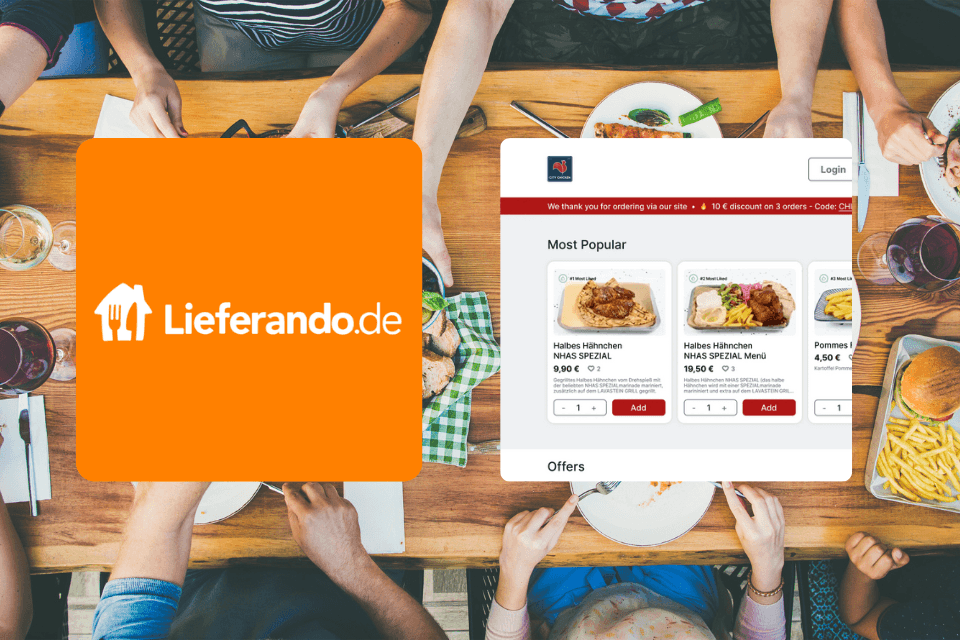
Most new owners open the doors, sign up with Lieferando or Wolt because it's fast and easy, then spend years paying 15 to 30 percent commission on every order that comes through them. By the time an owner notices how much that's costing them, their customer base already lives on someone else's platform.
Germany's Federal Statistical Office, Destatis, reported that 24 percent of people aged 16 to 74 had ordered restaurant or fast food online in the three months before the survey, up from 17 percent in 2021. Your customers are already searching for a way to order from you. The question is whether that order goes through your own channel or through a platform that takes a third of it.
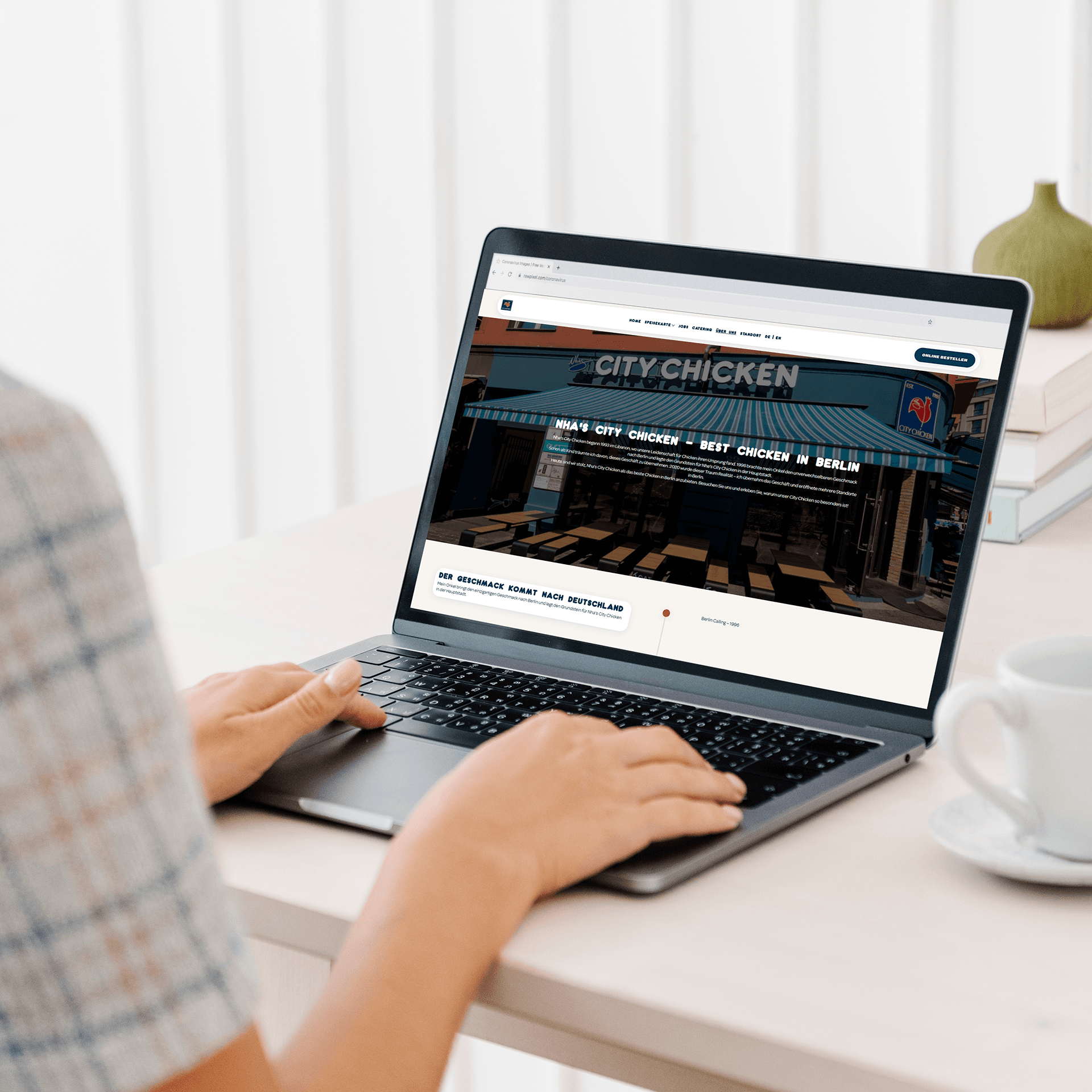
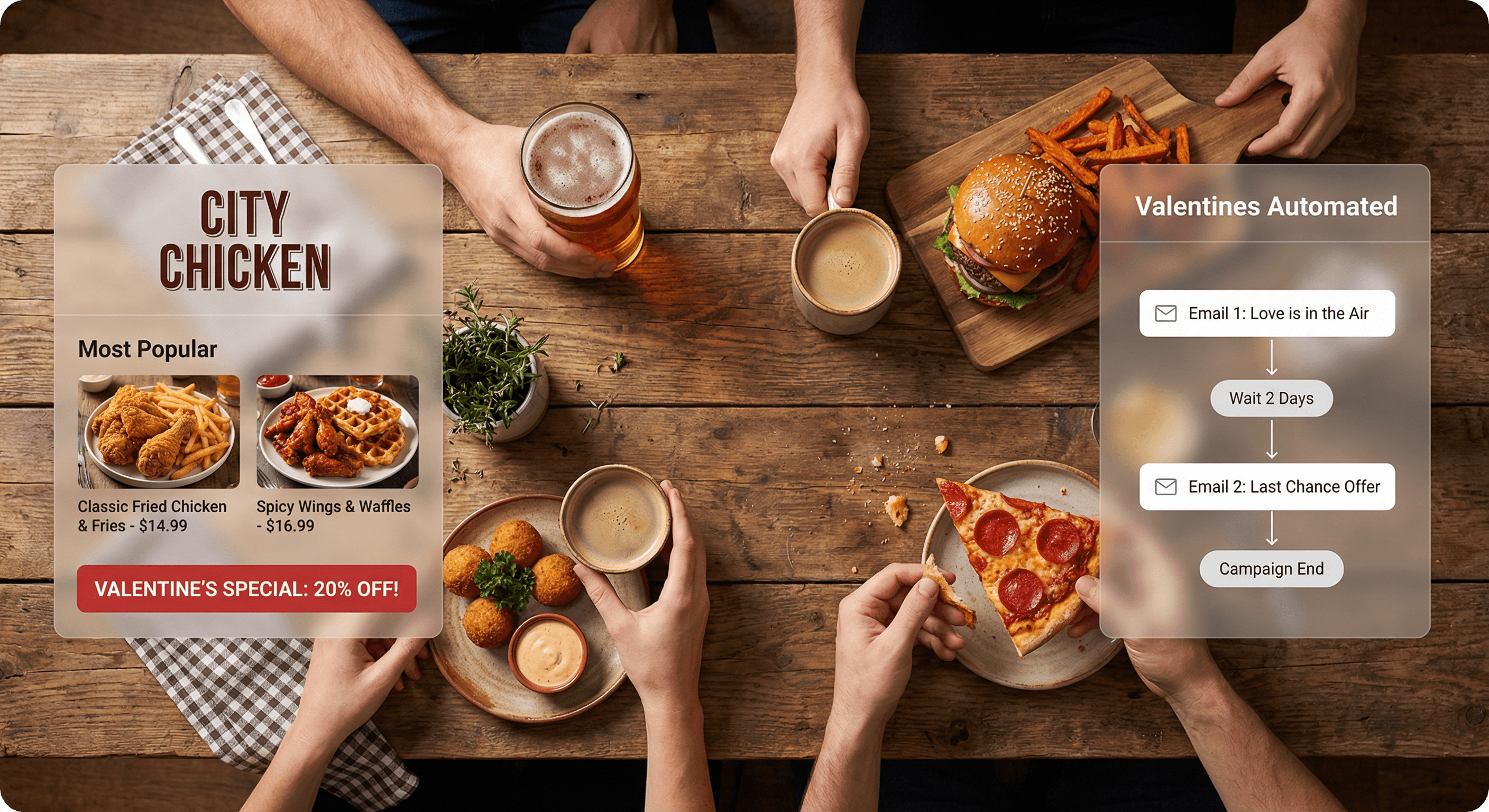
City Chicken in Berlin did it the other way around. When the restaurant opened its second location at Rosenthaler Platz, FoodAmigos was already running the website and the ordering system before the doors even opened. Owner Sasi puts it simply: "Only after I set up the system, with FoodAmigos, did I say, okay, now I'm making money."
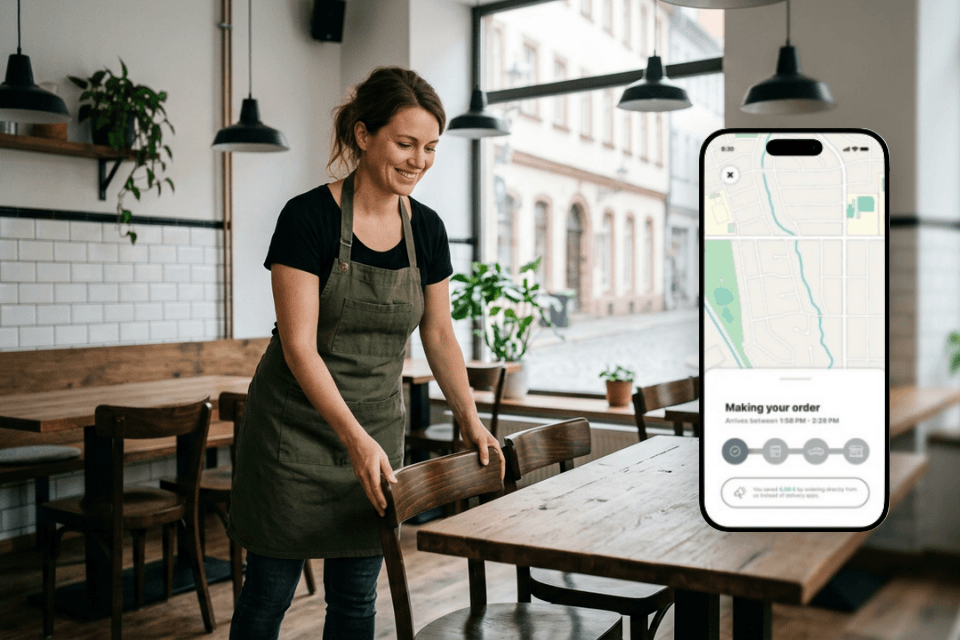
Setting up your own ordering channel from day one means every order builds your customer list instead of a delivery platform's. It means you're not restructuring your whole operation a year in, once the commission bill finally gets your attention.
You can still list on Lieferando or Wolt for extra reach. Just don't make that your only channel.
Plan your opening, then keep marketing after it
Your opening week gets you a crowd. What you do after that determines whether they come back.
Before opening day:
• Set up your Google Business Profile with accurate hours, photos, and your menu
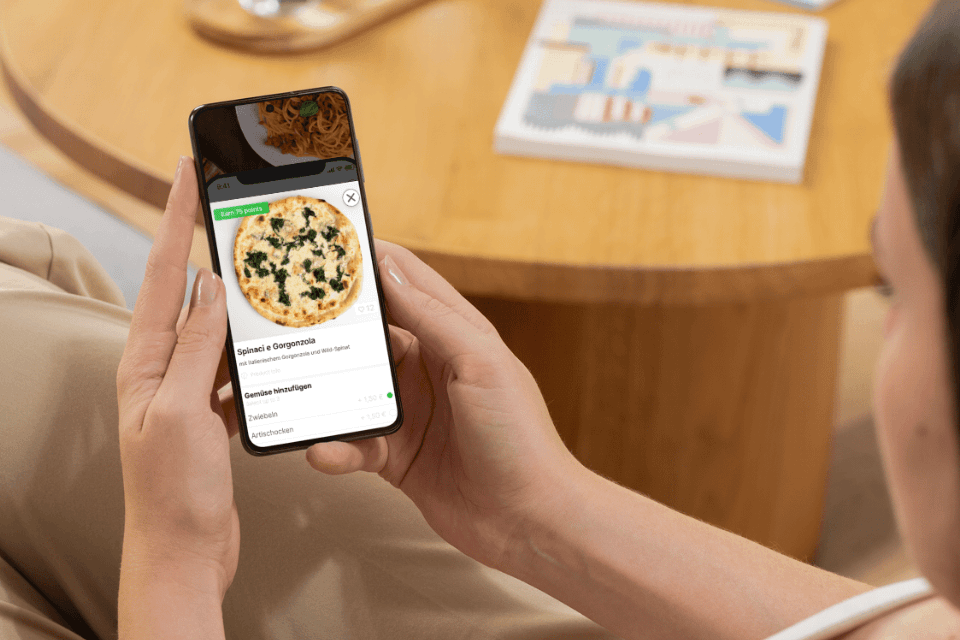
• Build a simple, fast website that makes ordering obvious
• Tell your network, post on Instagram, and consider a soft opening for friends and neighbors first
After opening day, the real work starts. Collect every customer's order data so you can reach them again. Send a welcome offer to first-time customers and a loyalty incentive to repeat ones. A restaurant that only markets during opening week loses momentum by month two.
FAQ about Opening a Restaurant in Germany
How much does it cost to open a restaurant in Germany?
It depends heavily on your concept, but expect a wide range, from the low tens of thousands for a small takeaway counter to several hundred thousand euros for a full restaurant with a dining room. Get quotes for your specific space and concept rather than relying on a generic number.
How long does it take to open a restaurant?
Between finding a location, securing permits, and building out the space, most new owners plan for several months to a year. Permits alone can take weeks to process, so start that process as early as possible.
Do I need to set up delivery and online ordering before I open?
You don't have to, but it's worth doing early. Setting up your own ordering channel from the start means you build a direct customer base from day one, instead of relearning your setup later once a delivery platform's commission has already eaten into a year or more of revenue.
Ready to open the right way
Opening a restaurant is hard enough without losing a third of every order to a delivery platform before you've even found your footing.
Book a quick demo with FoodAmigos and see how to set up your ordering system right from the start.
IN THIS ARTICLE
Validate your concept and location before you sign anythingHandle the legal requirements earlyWork out your real costs and financingBuild your team and your systemsSet up ordering and delivery before you open, not afterPlan your opening, then keep marketing after itFAQ about Opening a Restaurant in GermanyReady to open the right wayRelated Articles

5 min read
February 26, 2024